nutritionwlashaundreab


  • A clean and organized refrigerator does more than look nice, it helps keep food fresh, safe, and reduces waste. Simple habits such as checking temperatures, cleaning spills, and storing foods in the proper locations can make a big difference in preventing foodborne illness. Give your refrigerator a quick makeover and enjoy a safer, healthier kitchen. For a few quick tips, read more here: Does Your Refrigerator Need A Makeover? by Sarah Klemm, RDN, CD, LDN

  • Oven Roasted Tomatoes

    I’m a HUGE fan of roasted tomatoes! I always have a jar on hand and eat them almost daily. If I run out of the store-bought kind, I make my own. Roasting tomatoes brings out their natural sweetness and adds depth without needing many ingredients—just olive oil, a little salt (optional), and heat.

    Simple Steps: Drizzle 2 cups of grape tomatoes with olive oil, and add 1 teaspoon coarse salt (optional). Toss tomatoes until they are well coated, then add them to a baking sheet. Roast tomatoes at 425 degrees for about 20–25 minutes. Cover with aluminum foil for the first 10 minutes to prevent tomato juice from splattering over the oven.

    Click link for YouTube video: Oven Roasted Tomatoes

    Fun Fact—

    Tomatoes are:

    🍅Low in calories

    🍅A good source of vitamin C

    🍅Rich in potassium

    🍅Packed with lycopene (an antioxidant)

    Try them with:

    🥚Eggs

    🥑Avocado toast

    🍗Baked chicken or fish

    🥬Sautéed greens

    🍝Your favorite pasta

    – Nutrition with LaShaundreaB🍅

  • February is American Heart Month. It’s an opportunity to reflect on how what we eat affects our health and our hearts. To date, heart disease remains the leading cause of death for both men and women in the U.S., accounting for 1 in every 5 deaths annually. Nearly 700,000 Americans die from heart disease each year, and many of these deaths are linked to preventable lifestyle and dietary factors (CDC, 2024).

    As with most health issues, nutrition plays a key role in heart health. A balanced diet that includes all food groups—lean proteins, fruits, vegetables, whole grains, low-fat dairy, and healthy fats—provides the nutrients our hearts need to function properly. Choosing lean proteins (such as poultry, fish, beans, and lentils), unsaturated fats (such as olive oil, avocados, nuts, and seeds), and limiting sodium and processed foods supports healthy blood pressure and cholesterol levels, and overall cardiovascular health. These foods provide fiber, antioxidants, and important nutrients that help reduce inflammation and improve vascular health.

    Over the next few weeks, we’ll explore simple ways to put these heart-healthy principles into practice and share low-sodium, low-fat recipes the entire family can enjoy.

    References

    Centers for Disease Control and Prevention (CDC). Heart Disease (2024).

  • I love a tasty bowl of soup, especially during cold weather, and January being National Soup Month couldn’t be more fitting!

    Here in the Mississippi, a winter freeze is expected this weekend, and there’s nothing better than keeping warm with a good bowl of soup. Not only is soup comforting, but it’s also an easy way to pack in vegetables, lean protein, and flavor.

    Here’s a quick, flavorful soup recipe featuring winter vegetables.

    Winter Vegetable Soup

    Servings: 4
    Serving Size: About 1½ cups

    Ingredients:

    1 tablespoon olive oil

    1 medium onion, diced

    2 cloves garlic, minced

    2 medium carrots, chopped

    1 cup celery, chopped

    1 (14.5 oz) can low-sodium diced tomatoes

    4 cups low-sodium vegetable or chicken broth

    1 (15 oz) can white beans, drained and rinsed

    1 cup fresh chopped kale or spinach or ¾ cup frozen kale or spinach

    ½ teaspoon dried thyme

    Salt and Black pepper to taste

    Instructions:

    1. Heat olive oil in a large pot over medium heat. Add onion, garlic, and carrots; sauté for 4–5 minutes until softened.
    2. Stir in celery and cook for an additional 2 minutes.
    3. Add diced tomatoes, broth, white beans, thyme, black pepper, and salt (if using). Bring to a gentle boil.
    4. Reduce heat and simmer for 20 minutes, or until vegetables are tender.
    5. Stir in fresh greens (or frozen greens straight from the freezer) and cook for 2–3 minutes, until wilted and heated through.
    6. Serve soup warm with whole-grain crackers or a slice of crusty bread.

    As Julian Childs would say, “Bon Appétit!”

    Enjoy your soup!

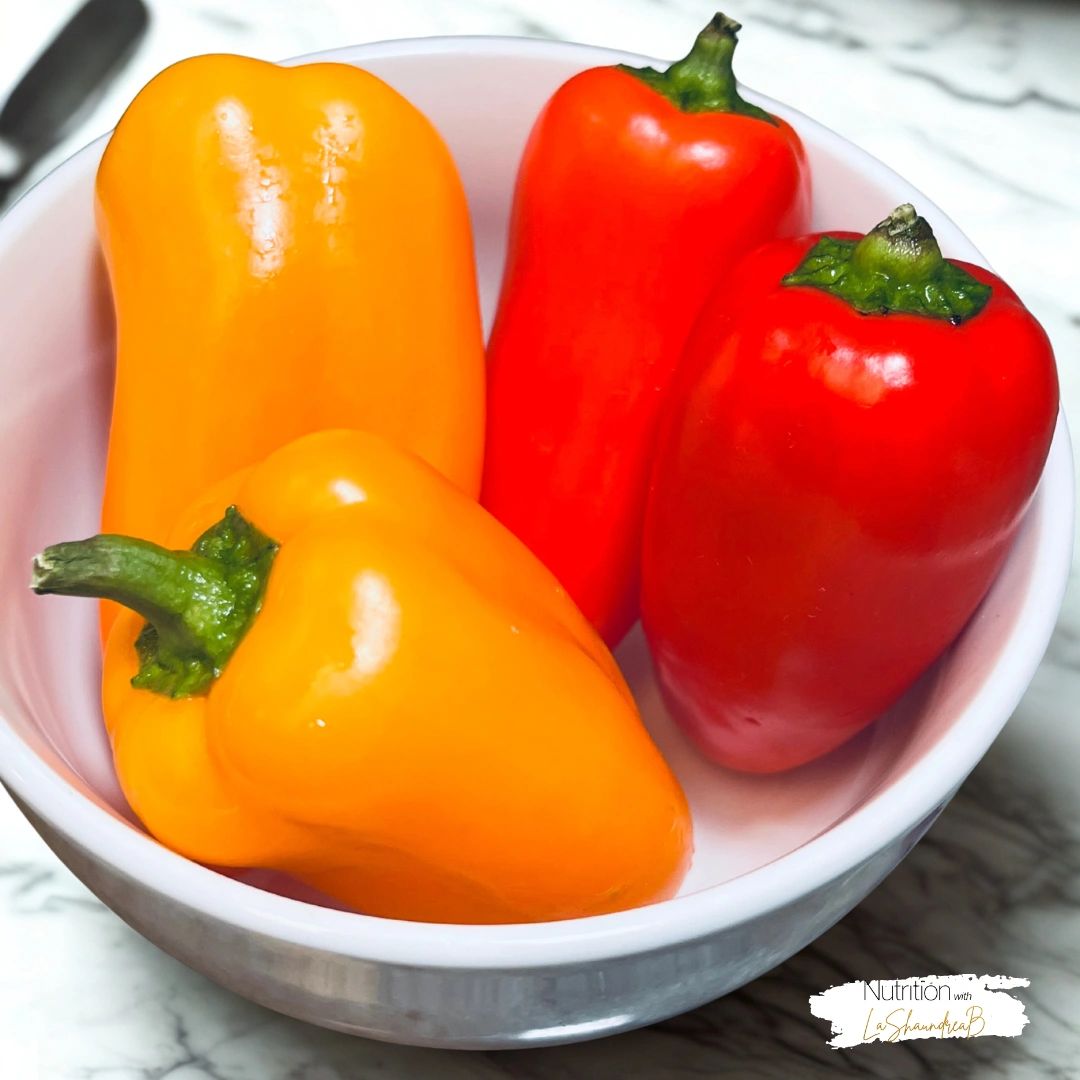
  • One of my favorite snacks is mini sweet peppers. I enjoy them with or without low-fat salad dressings or dips, and they never disappoint. Honestly, it’s their natural sweetness, crisp crunch, and vibrant colors—reds, oranges, and yellows that draw me to them every time. I keep them on hand!

    Mini sweet peppers have a mild, sweet flavor (without heat), making them perfect for eating raw. Their texture is juicy yet crunchy, which pairs beautifully with creamy or tangy dips. Whether I’m grabbing a quick bite during the day or adding more color to my salad, they’re always a satisfying choice. And let’s not forget, they are also rich in vitamin C and antioxidants, which makes them just as nourishing as they are tasty.

    A Few Ways I Love To Eat Them Raw:

    With low-fat ranch, bleu cheese, or Italian dressing

    Dipped in hummus (classic, roasted red pepper, or garlic)

    Paired with a low-fat Greek yogurt dip (recipe below)

    Stuffed with light cream cheese

    Over a nice green salad
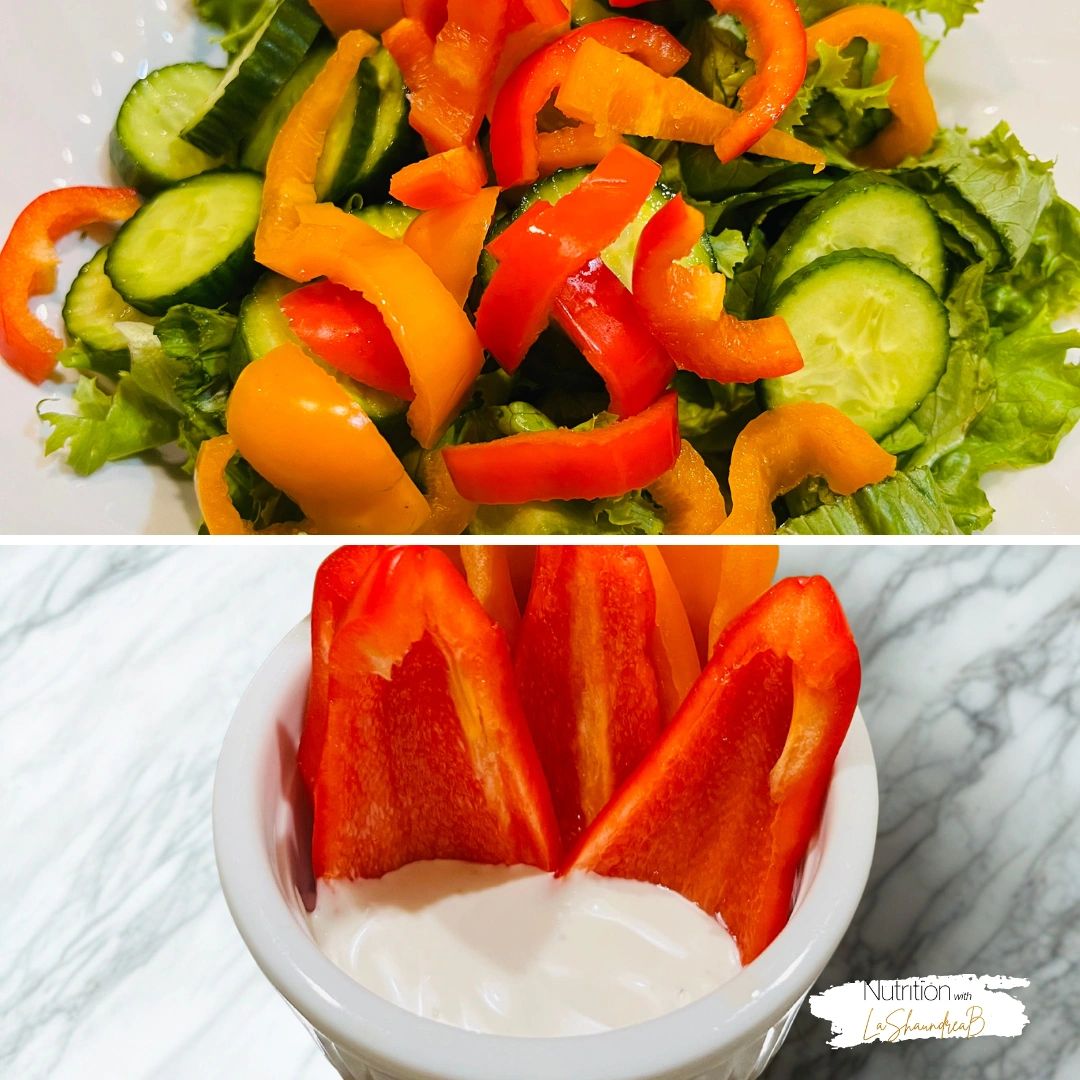
    Quick & Easy Yogurt Veggie Dip

    Ingredients

    1 cup plain nonfat or low-fat Greek yogurt

    1 tablespoon lemon juice

    1 teaspoon garlic powder

    1 teaspoon dried dill or parsley

    Salt and pepper to taste

    Directions

    1. In a small bowl, mix all ingredients until smooth.
    2. Chill for 10–15 minutes to let the flavors come together.
    3. Serve with fresh, mini sweet peppers for dipping. Also great with fresh broccoli florets, cucumber slices, celery sticks, and baby carrots.

    Simple, colorful, crunchy, and full of flavor—mini sweet peppers are a healthy choice to add as a snack option or as a salad topping. Give them a try!🫑

  • Blueberries are my go-to berries all year long. However, I love them best when they’re in season, here in Mississippi—plump, juicy, and naturally sweet. Beyond their flavor, blueberries are little nutrition powerhouses. They’re rich in antioxidants that support heart and brain health, provide fiber for digestion, and offer vitamins that help keep your immune system strong.

    One of the best things about blueberries is how easily they pair with everyday foods. I love adding them to oatmeal, Greek yogurt, smoothies, salads, and even savory dishes like spinach salads with nuts and a light vinaigrette. They also pair beautifully with citrus, nuts, seeds, and whole grains.

    Quick & Easy Blueberry Yogurt Bowl

    1 cup plain or vanilla Greek yogurt

    ½ cup fresh blueberries

    1 tablespoon chopped nuts or granola

    Drizzle of honey (optional)

    Mix, top, and enjoy—a simple, nourishing option that works for breakfast, a snack, or even a light dessert. Sometimes the simplest foods really are the most satisfying. 🫐