nutritionwlashaundreab


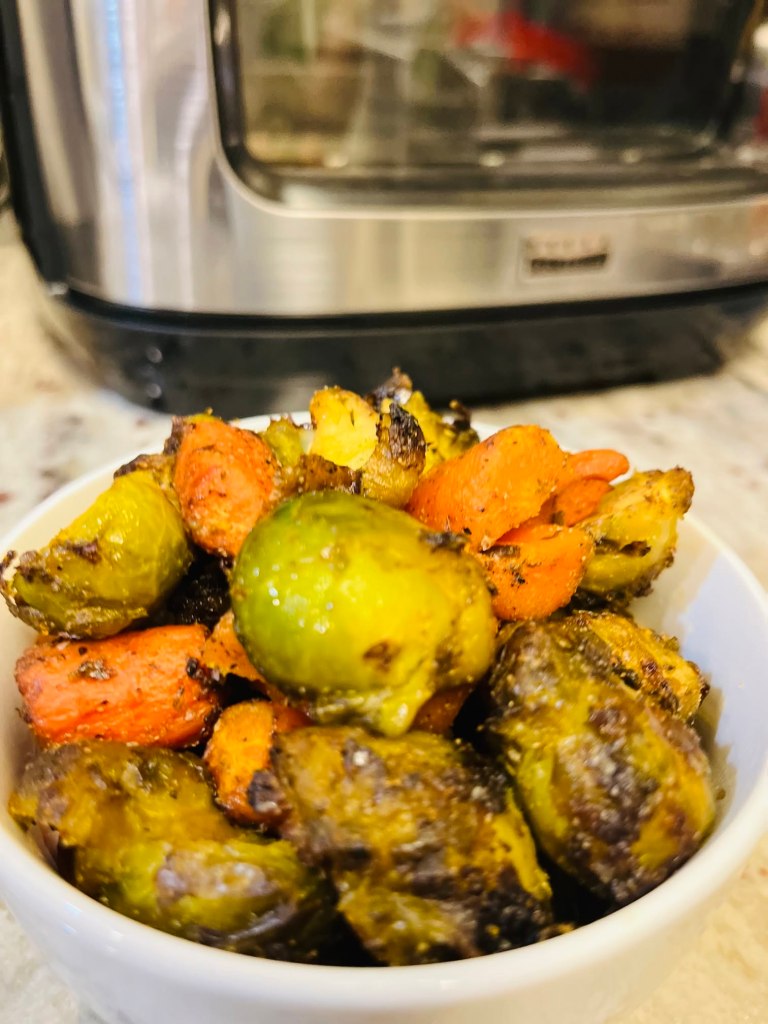
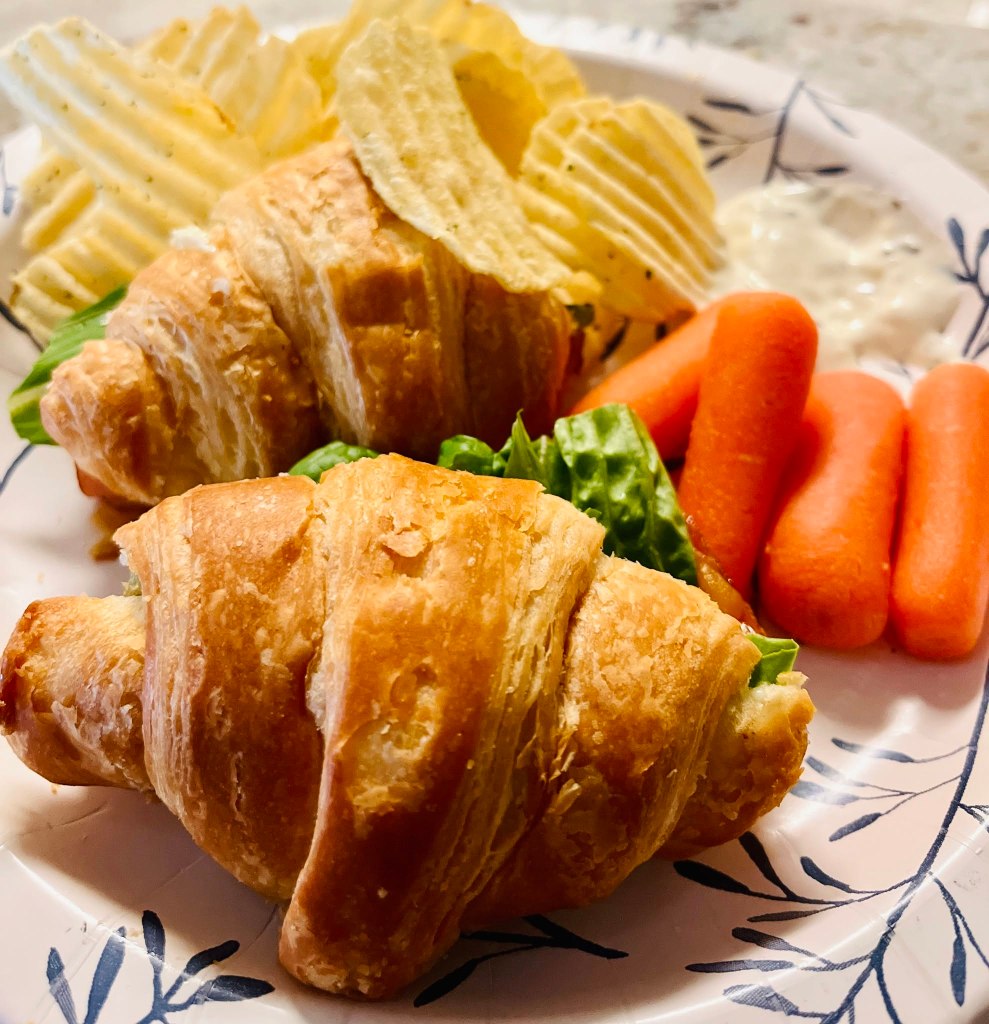
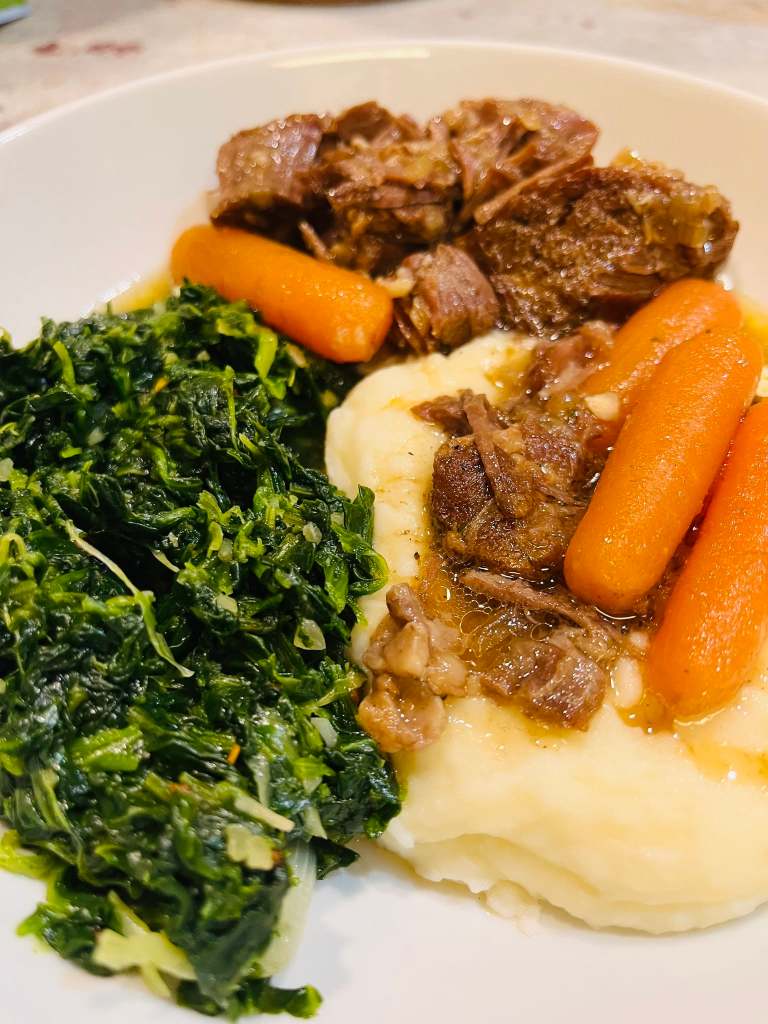
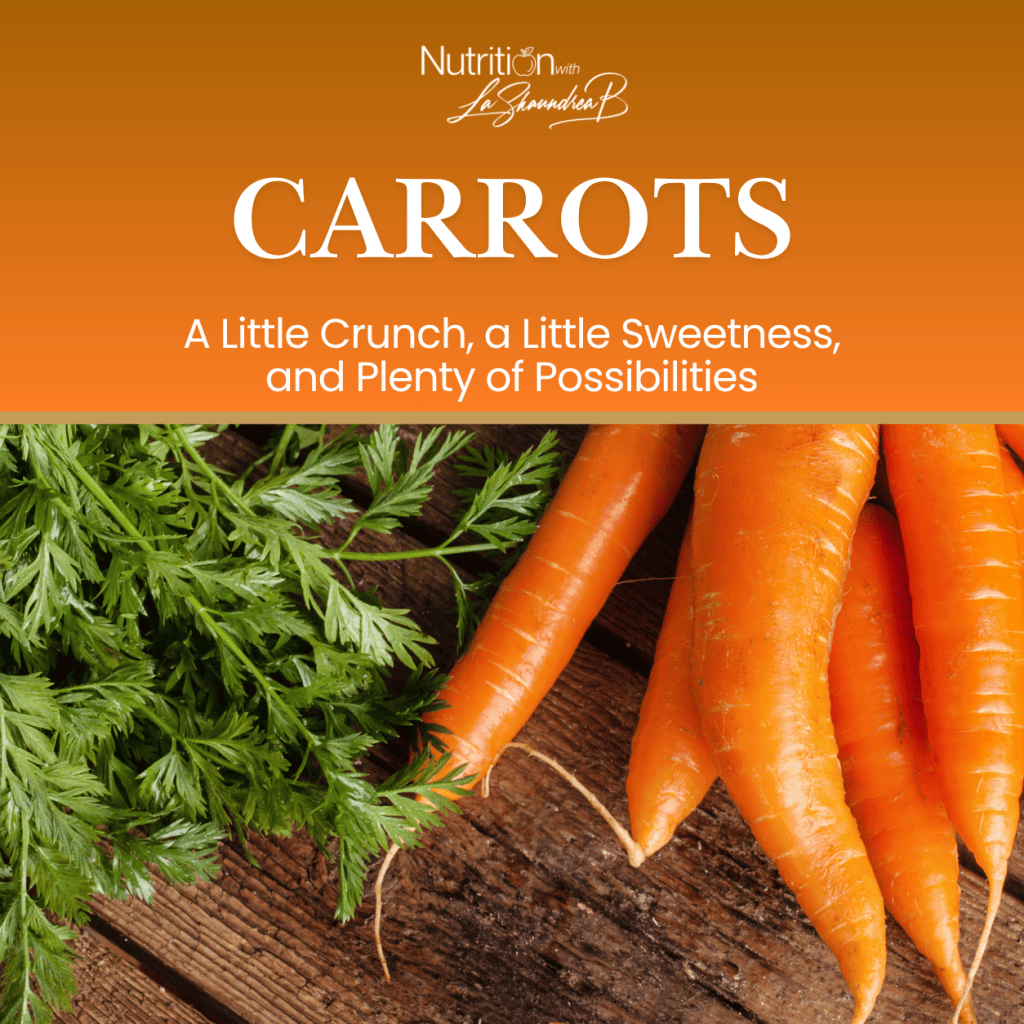
  • Carrots are one of my favorite vegetables! As you can see from my photos below, I love them raw or cooked. They are perfect for snacking, roasting, or adding to soups, stews, roasts, and pasta dishes. Unlike Brussels sprouts, I have always loved carrots. Back when I was a kid, baby carrots were considered “fancy” carrots. They were tinier than what we see today and were usually served cooked and glazed with honey or a simple syrup. Today, people typically eat baby carrots raw—plain, with ranch or blue cheese dressing, or with hummus. Personally, I enjoy them raw, with or without dressings or dips. I love the taste, but I also love the crunch. There’s just something about the crunch that enhances my eating experience. 

    This week, I’m sharing photos of carrots from a few different meals I’ve eaten. Nothing fancy—just a reminder that adding vegetables doesn’t always require a new recipe or a complete change to what you’re already eating. Nutritionally, carrots are low in calories (~40 calories per 8-10 baby carrots) and a good source of beta-carotene, which gives them their orange color. Fun Fact: Did you know that the body converts beta-carotene into Vitamin A?

    Here are my photos. Another “fun fact”: I take pictures of almost all my meals. I either share them with my daughter, who lives in a different state, or on my social media platforms. 
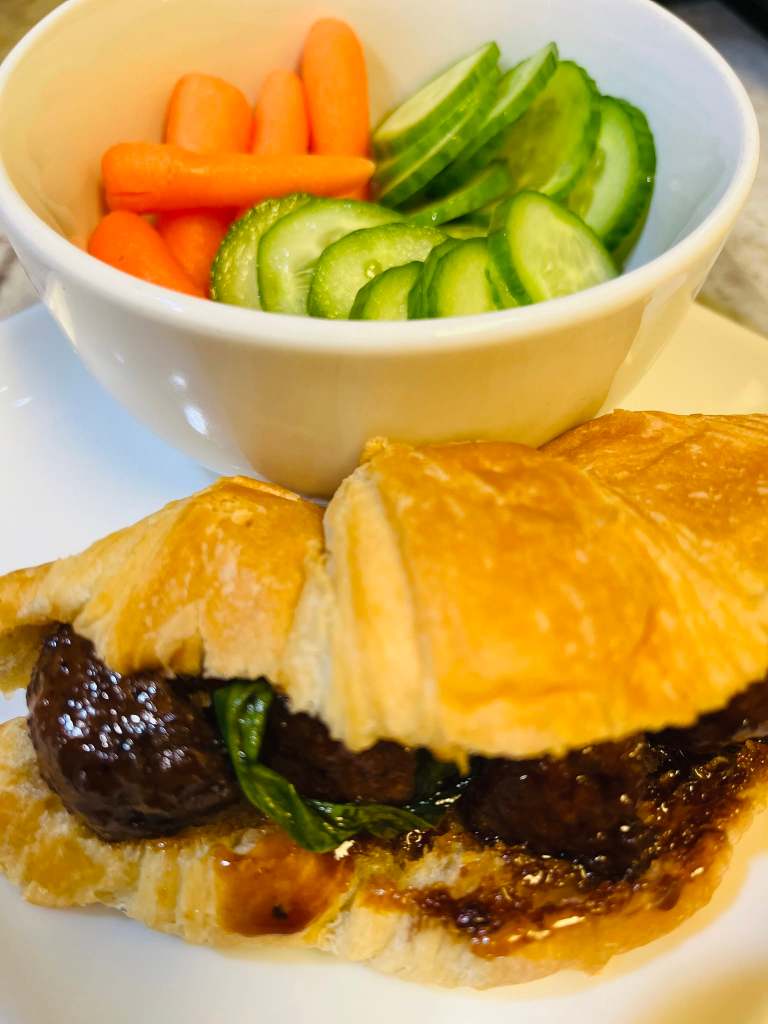
    That’s one thing I appreciate about carrots: they can be a simple side or part of the dish itself. How do you like your carrots—raw and crunchy, roasted, or added to soup, stew, or pot roast? Adding them to pot roast is another favorite of mine. Comfort food.

    Until next time…

    Eat Well. Feel Well. Live Well.
    -LaShaundreaB
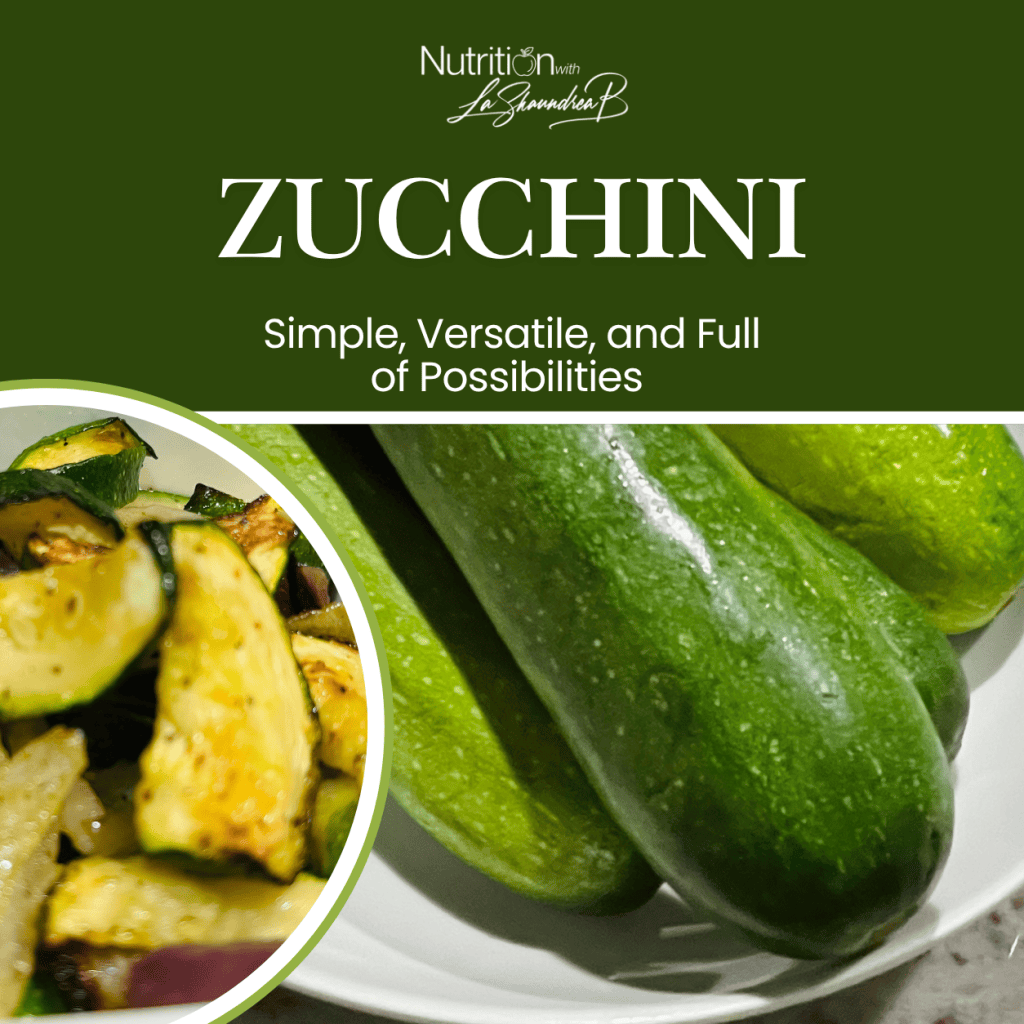
  • Apparently, our vegetable series keeps inviting fruits to the table! Like cucumbers, zucchini is botanically a fruit; however, in the kitchen, we typically enjoy it as a vegetable. Here’s what we know about zucchini. Zucchini is a type of summer squash, and its peak season is summer. Although it’s a summer vegetable, zucchini is available year-round in most places. 

    Nutritionally, one cup of sliced zucchini (raw) contains about 19 calories. It provides vitamin C, potassium, magnesium, phosphorus, and beta-carotene, among other vitamins and minerals. Zucchini has a mild flavor, which makes it easy to add to any meal or dish. It can be roasted, grilled, sautéed, or eaten raw. Yes, some people eat zucchini raw like a cucumber. 

    This week, I kept my zucchini simple. I cut it into medium-sized slices and roasted it with red onions. Roasting the zucchini brings out its natural sweetness. Same with the onions. Simple dish, great flavor! 

    This week’s challenge: Try zucchini prepared in a different way—roast it, add it to a stir-fry, make zucchini fries, or zoodles (zucchini noodles). 

    Fun fact: Zucchini flowers are edible, too! They can be stuffed, baked, or lightly sautéed. Give them a try!

    Until next time…

    Eat well. Feel well. Live well.

    LaShaundrea🍏

  • Chad: Brussels sprouts: the vegetable that has spent decades rehabilitating its reputation, one roasted batch at a time.

    Molly: Today we’re looking at a post from Nutrition with LB that covers Brussels sprouts — the childhood grudge, the grown-up conversion, and the nutrition case for giving them another shot. Let’s start with the full story of that turnaround.

    From “Baby Cabbages” to a Favorite: Brussels Sprouts

    Chad: The setup here is one a lot of people will recognize — a vegetable you wrote off as a kid that quietly earned its way back onto your plate. The question the post is really asking is: what changed, and is it worth revisiting?

    Molly: The post opens with an honest confession about childhood skepticism, then lands here: “I hated Brussels sprouts! Even though I thought they were baby cabbages — and I loved cabbage — I was disappointed because they didn’t taste anything like cabbage. Their flavor was too bold and bitter for my liking, and they smelled horrible.”

    Chad: That’s a fair indictment. And the stakes are real — a lot of people stop there and never come back to a vegetable that turns out to be genuinely worth eating.

    Molly: The post walks through exactly how to prepare them. Quartered, lightly coated in olive oil, seasoned with garlic powder, onion powder, salt and pepper, then braised in a skillet over medium heat — small amounts of water added a tablespoon at a time to prevent scorching. Crushed red pepper goes in at the end.

    Chad: The braising method is doing real work here. It’s a slower, gentler approach than roasting, and it’s probably why the texture lands differently than what most people remember from overcooked childhood servings.

    Molly: The post also clears up the “baby cabbage” misconception directly. Brussels sprouts are small buds that grow along a stalk, while cabbage grows as a single head — same plant species, Brassica oleracea, but a genuinely different vegetable.

    Chad: Which explains the flavor gap that confused so many of us as kids.

    Molly: Nutritionally, the post cites USDA FoodData Central: roughly 56 calories per cup cooked, with vitamins A and C, folate, calcium, and fiber all present. That’s a solid return on a vegetable most people have been avoiding for decades.

    Chad: The post closes by asking readers whether there’s a vegetable they disliked as a child but love today — which is a genuinely interesting question, because taste really does shift.

    Molly: And the answer, apparently, often involves just cooking something differently than you first encountered it.


    Chad: A vegetable redemption arc with actual technique behind it — that’s the kind of practical nutrition content that sticks.

    Molly: Taste changes, methods matter, and the nutrition holds up. Worth revisiting what you ruled out early.

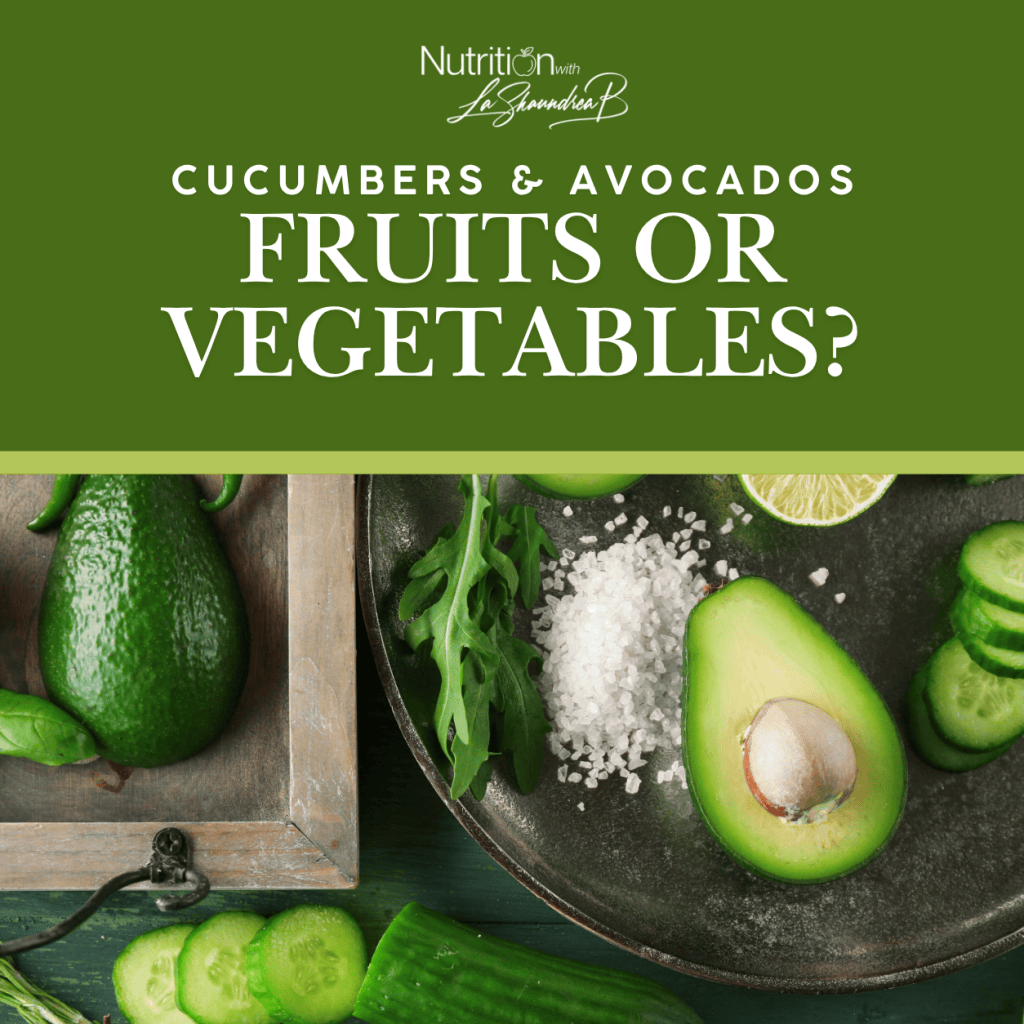
  • Last week, I bought too many cucumbers and avocados. Thought I would have eaten them by now, but I haven’t. So, guess what?! They’re the stars of this week’s post. But before we get into talking about how I decided to use them, let’s answer the question at hand. Are cucumbers and avocados fruits or vegetables? 

    Well…

    Although cucumbers and avocados are considered vegetables, botanically, cucumbers are fruits, and… avocados are large berries (Auguste Escoffier School of Culinary Arts). Don’t you just love science?! 

    Tonight, I used our featured stars on my chicken salad sandwich. I used avocado as the base for the chicken salad, then added sliced cucumbers for extra flavor and a little crunch. I considered making a cucumber gazpacho topped with diced avocado and having the chicken salad sandwich on the side. However, I wasn’t feeling that creative. Maybe next time.

    So, here’s how I made the chicken salad (makes enough for two sandwiches):

    First, I cut a rotisserie chicken breast into small chunks (about one cup) and added them to a small mixing bowl. Then I added a creamed avocado mixture I made by combining half a small, ripe avocado (diced) with 2 teaspoons of mayo. Afterward, I added 1.5 teaspoons of garlic powder, 1 teaspoon of onion powder, 1 teaspoon of paprika, 1 teaspoon of dried basil, 2 teaspoons of lime juice, and salt and pepper to taste. I mixed everything well before making my sandwich. Oh, and I added the cucumber slices to the sandwich before eating it. Note: You can always season to taste, but be mindful of how much salt or sodium-based seasonings you add.


    Quick recipes don’t have to be complex, and vegetables do not always have to be eaten as a side. You can creatively incorporate them into any meal, as I did with my chicken salad sandwich.

    I’m not sure which vegetable I will feature next week, but I’m pretty sure it will be another one of my favorites.

    Until next time…

    Eat Well. Feel Well. Live Well.
    ~LaShaundreaB

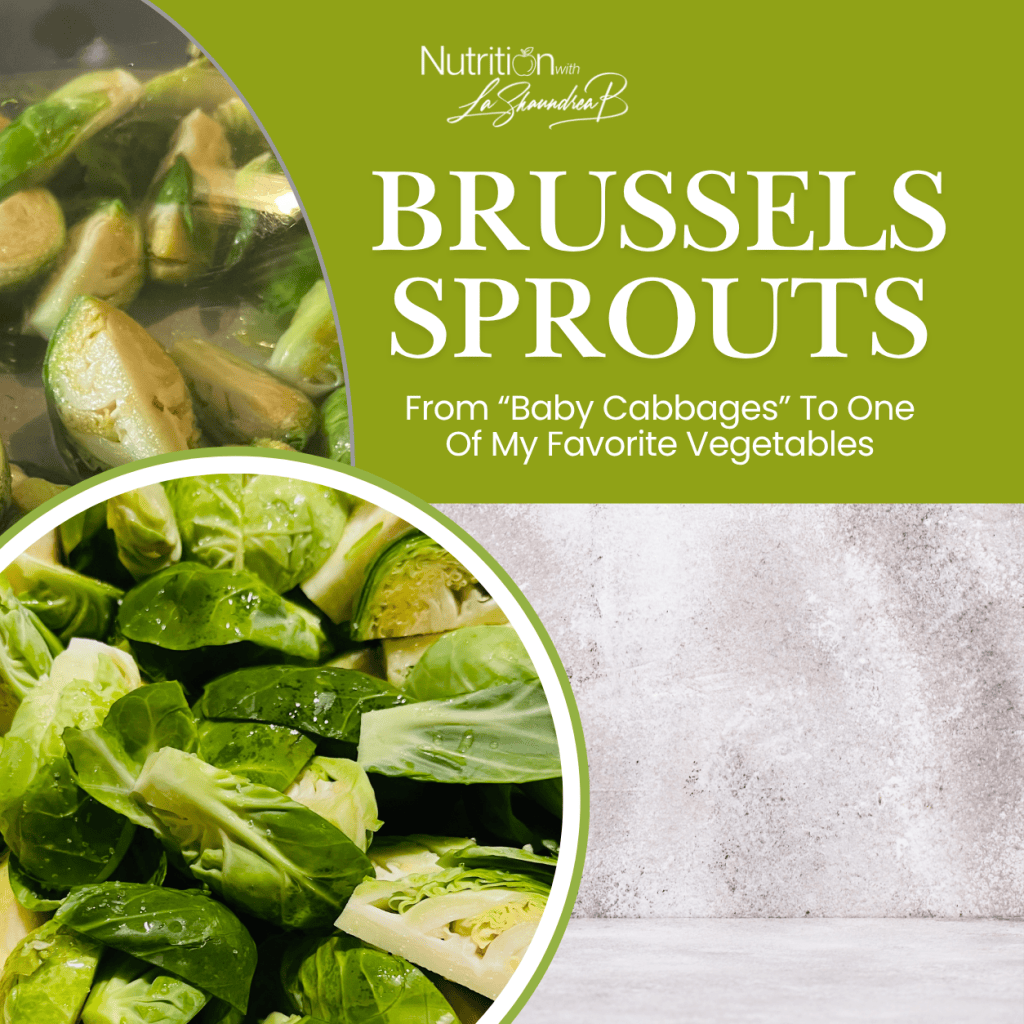
  • Today’s post is about one of my all-time favorite veggies, Brussels sprouts. As a child, I hated Brussels sprouts! Even though I thought they were baby cabbages—and I loved cabbage—I was disappointed because they didn’t taste anything like cabbage. Their flavor was too bold and bitter for my liking, and they smelled horrible. Well, fast forward to many moons later, Brussels sprouts are on my menu, if not weekly, then almost every other week. I’m not sure when my taste buds changed. Maybe during culinary school. But now I love them!

    Last week, I purchased a bag of fresh Brussels sprouts and prepared them over the weekend. The way that I prepped them is how I typically do; however, I usually roast them in the air fryer instead of braising. Here’s how I cooked them this time:

    First, I quartered the Brussels sprouts and tossed them with a little olive oil (enough to lightly coat them—about 2 teaspoons per 10 quartered sprouts). Then, I added garlic powder, onion powder, and a little salt and pepper before tossing them into the skillet (frying pan) to start the braising process. Quick note: I rarely measure my seasonings, so I cannot tell you exactly how much I added, but it was about 3 generous shakes of each powder and 1-2 shakes of salt and pepper (all can be adjusted during or after cooking). 

    Okay…now that we’ve gotten that out of the way, let’s carry on.

    After adding the Brussels to the skillet, I let them cook over medium heat, periodically tossing them and adding small amounts of water (a tablespoon at a time) to keep them from scorching. I did this for about 5 minutes. Then I lowered the heat and covered the skillet with a lid to let them cook for an additional 8-10 minutes (feel free to cook them to your level of doneness). During the last minute or so, I added some crushed red peppers, gave them a final toss, then served them. And y’all, they were delicious! 

    Before I end, here are a few fun facts about Brussels sprouts. 

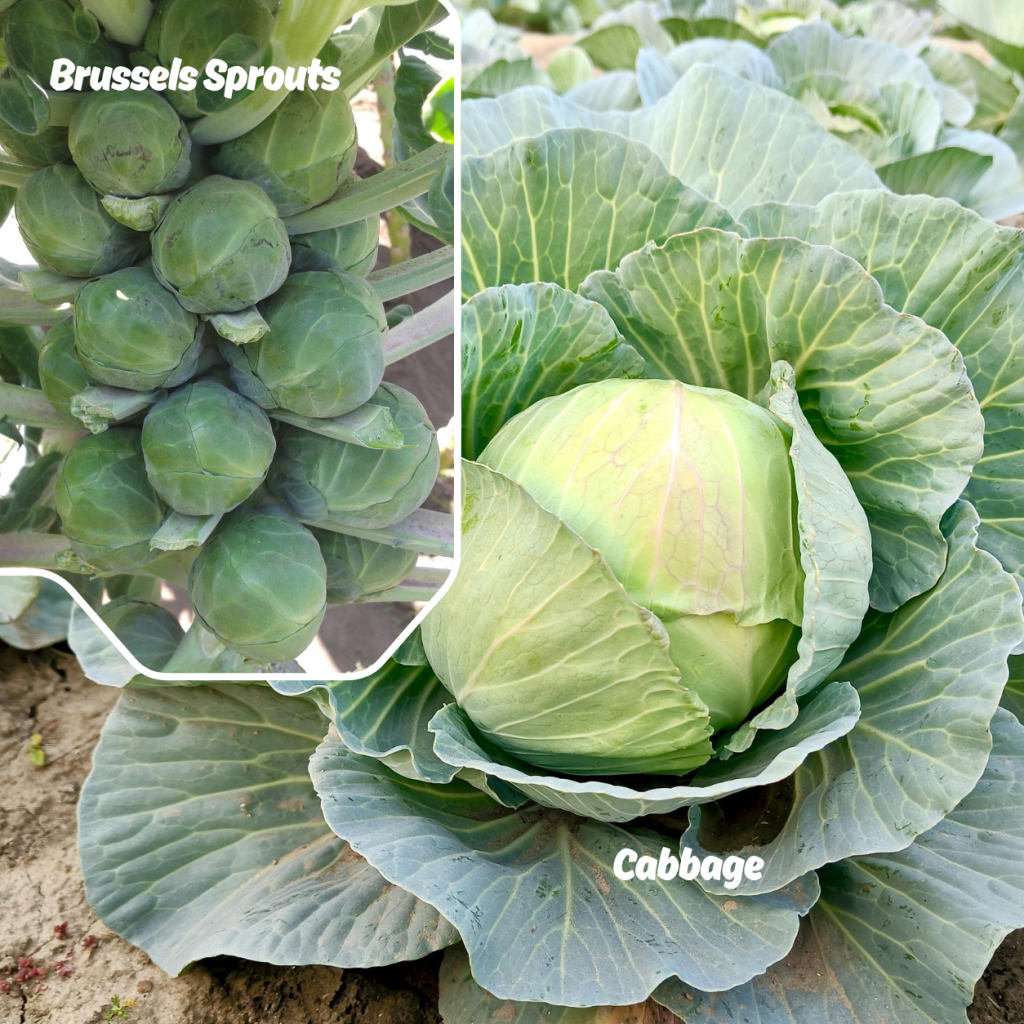
    ~ Brussels sprouts are not baby cabbages. They may look like tiny cabbages, but Brussels sprouts are small buds of greens that grow along stalks of a plant, while cabbage grows as a single head surrounded by large, leafy greens. With that said, they are in the same plant species, Brassica oleracea (USDA Plants Database).

    ~ Brussels sprouts are low in calories (~56 calories per cup, cooked, plain), and a source of vitamins A and C, folate, calcium, and fiber (USDA FoodData Central).

    Questions for you (feel free to drop the answers in the comments):

    Do you like Brussels sprouts? If so, how do you like yours prepared?

    Is there a vegetable you disliked as a child but love today?


    If you’re enjoying the content and conversations, sign up for the Let’s Get Healthier Together (LGHT) newsletter via Nutrition with LaShaundreaB. The newsletter is emailed every week and includes additional nutrition information, practical tips, recipes, challenges, and realistic strategies you can use in everyday life.

    Until next time…

    Eat Well. Feel Well. Live Well.
    ~LaShaundreaB🍏

  • We’ve spent the last few weeks talking about water, sugar-sweetened beverages, and artificial sweeteners. So, I thought we’d wrap up the conversation on a lighter note!

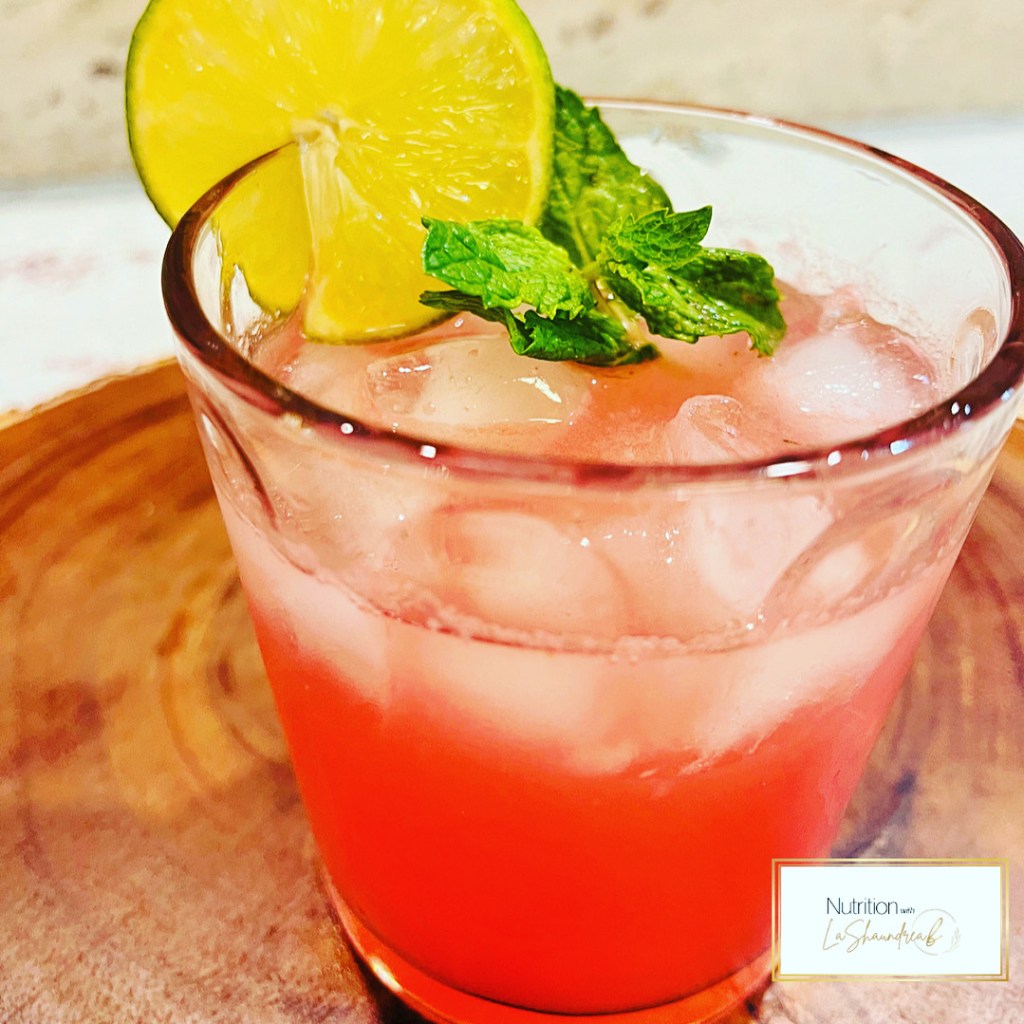
    A few years ago, I made a Watermelon Mojito Mocktail for National Watermelon Day. I saw it on the Mississippi Academy of Nutrition and Dietetics’ Facebook page and just had to try it! Y’all, I was so excited about the new recipe find that I made a couple of videos about it. Below is the video I shared on Instagram after making the drink. As I expressed in the video, the mojito was “pretty tasty!” 


    Here’s the recipe. If you decide to try it, let us know your thoughts!

    🍉 Watermelon Mojito Mocktail (Makes 2–3 servings)

    Ingredients

    • ¾–1 pound seedless watermelon cubes
    • Juice of 1 lime (about 2 ounces or ¼ cup)
    • 1 teaspoon honey or agave nectar, optional and to taste
    • 15–20 mint leaves
    • Plain or lime-flavored sparkling water
    • Ice

    Directions

    1. Blend the watermelon until it reaches a juice-like consistency.
    2. If there’s a lot of pulp, pour it through a mesh strainer. This step is optional.
    3. Pour the watermelon juice into a tall glass.
    4. Add the lime juice and sweetener, if desired.
    5. Divide the mint among 2–3 glasses and gently muddle the leaves.
    6. Fill each glass about ¾ full with ice and add the watermelon-lime mixture.
    7. Top each drink with about 1½ ounces of sparkling water.
    8. Garnish, sip and enjoy!

    Recipe adapted from The Real Food Dietitians; previously shared by the Mississippi Academy of Nutrition and Dietetics.

    This is all for today. If you’re enjoying the content and conversations, sign up for the Let’s Get Healthier Together (LGHT) newsletter via Nutrition with LaShaundreaB. The newsletter is emailed every Wednesday and includes additional nutrition information, practical tips, recipes, challenges, and realistic strategies you can use in everyday life.

    Eat Well. Feel Well. Live Well.
    ~LaShaundreaB🍏